What to do and what to visit in Ragusa and its surroundings
If you are planning to go on holiday in the South East of Sicily or just happen to be already in the area and wonder what to do and what to visit during your vacation in the province of Ragusa, you have come to the right place!
My staff of local tour guides and I have come up with the best thing just for you: a list of places you can visit and discover in the province of Ragusa among villages, natural wonders, churches, historic palaces, museums and archaeological sites.
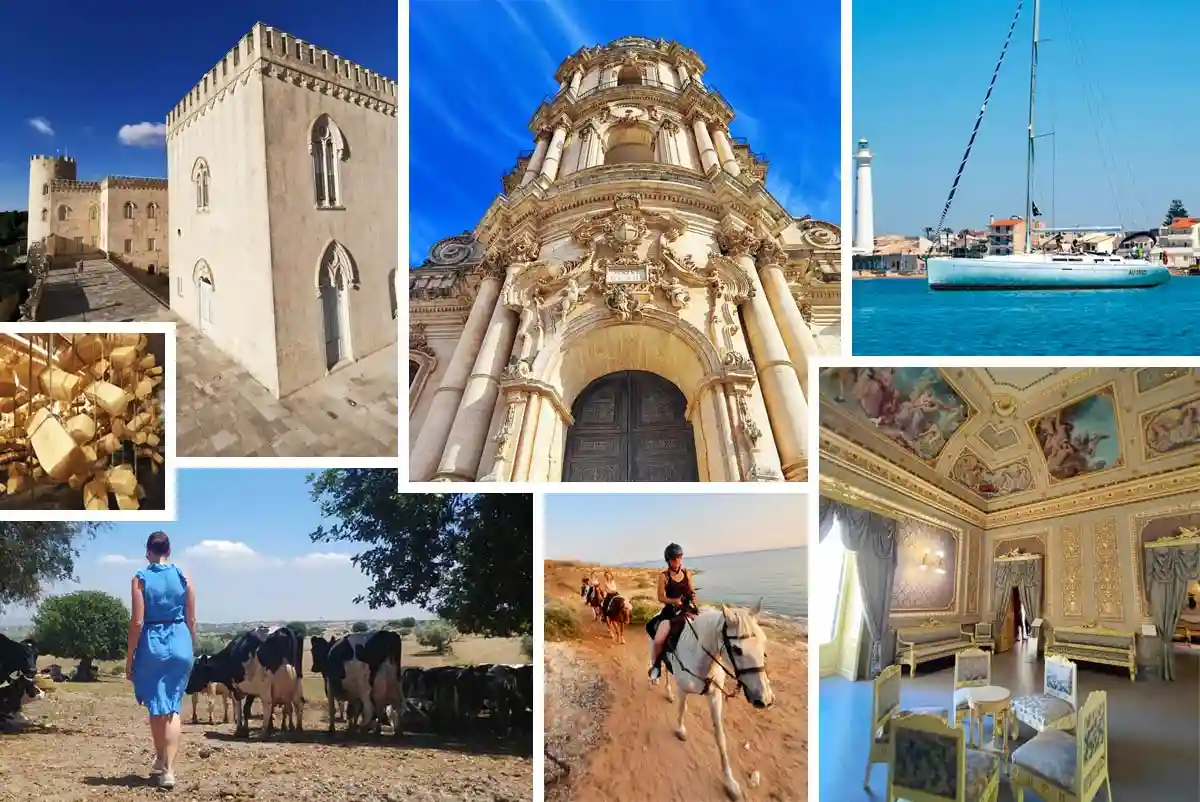
There is more to see than just unmissable places and monuments! We made a list of the experiences you can have and the activities you can do, a selection of guided tours, boat excursions and food tours for every taste, in order to discover the true soul of south eastern Sicily and have an unforgettable holiday. Join us on an exciting tour that will go through the best that the Hyblaean Province can offer, from Ragusa Ibla to Punta Secca, from Scicli to Modica, passing by golden beaches and villages in the Hyblaean hinterland, a journey in a scenery embellished with Sicilian Baroque style, during which you will get to taste healthy food.
Wear comfortable shoes, a hat and a big smile from ear to ear: let’s go!
What to do in Ragusa and its surroundings:
- Visit to a cheese factory and tasting of typical cheese varieties from Ragusa
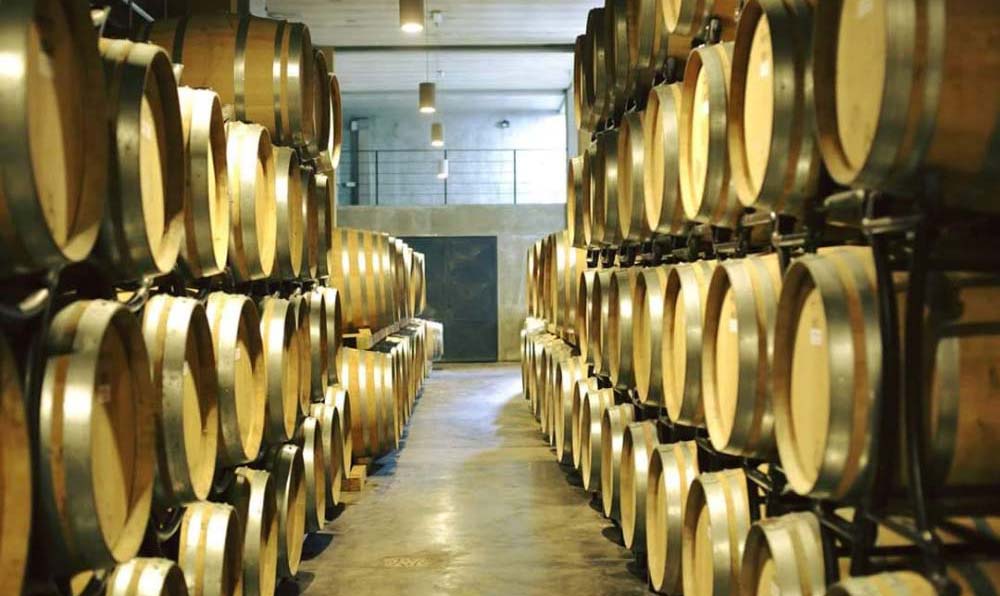
- Wine tour to discover an ancient winery and taste the best South Eastern Sicily wines
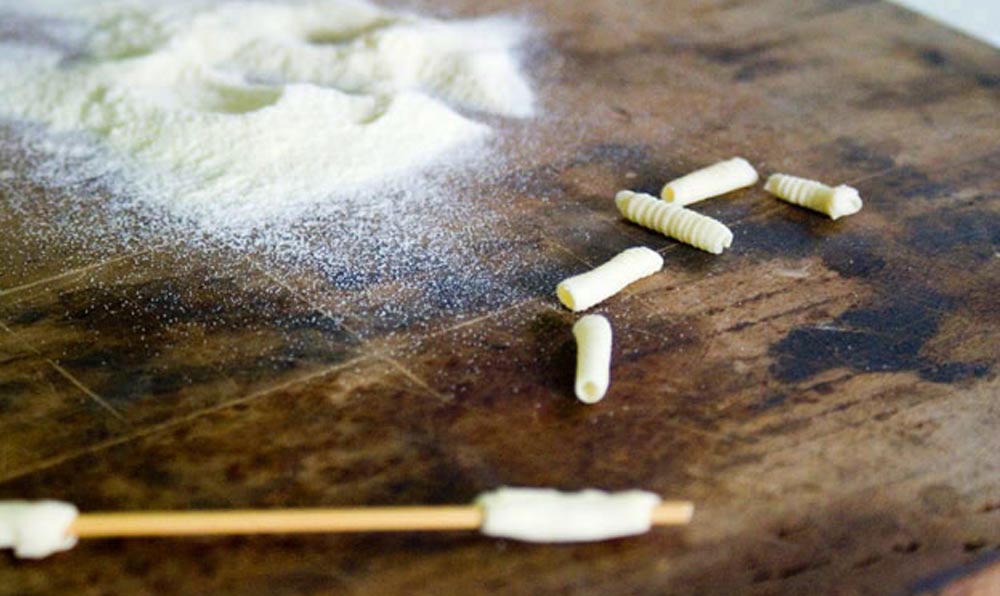
- Cooking class about local cuisine in Ragusa: cook and enjoy typical traditional dishes
- Let’s discover Modica’s PGI chocolate: workshop tour and tasting experience
- Visit to an oil mill and PDO oil tasting
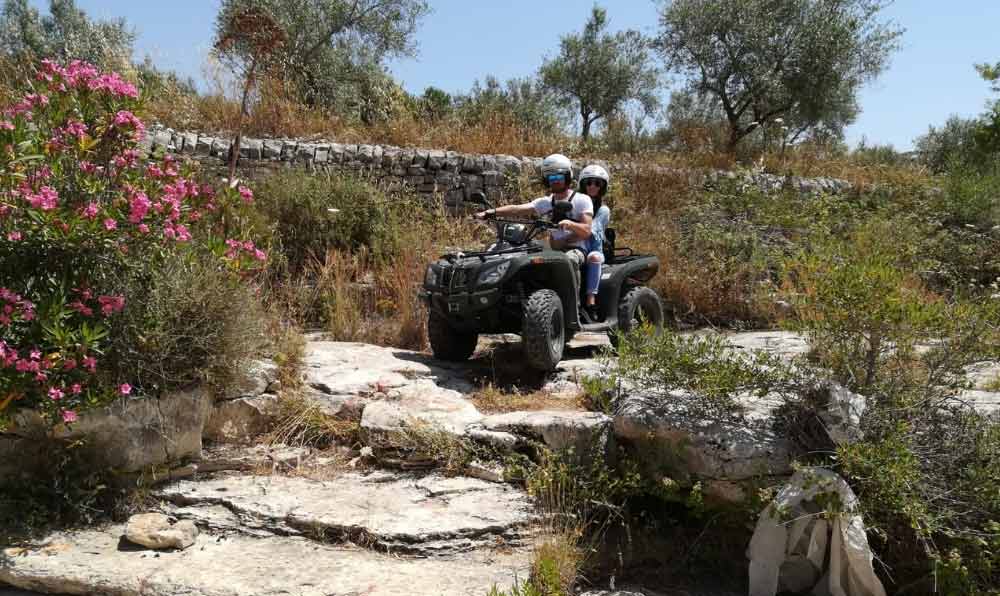
- The Quarry of Ispica: going trekking between prehistory and nature
- Boat tour along the coast of Marina Di Ragusa and Punta Secca
- Horseback riding excursion between pristine nature and beaches of golden sand
- Pottery workshop experience in Ragusa
What to see and visit in Ragusa and its surroundings:
- Sightseeing in Ragusa Ibla: churches, places and monuments not to miss
- Other famous towns and must-see places in the Ragusa province
- Tour of the villages in the province of Ragusa: Chiaramonte Gulfi, Monterosso Almo, Giarratana, Acate and Ispica
What to do: experiences & activities in the province of Ragusa
1. Visit to a cheese factory and tasting of typical cheese varieties from Ragusa
Enogastronomic experiences let you discover the history and soul of a people through good old-fashioned typical flavours. The Ragusa area is historically linked to the breeding of bovine cattle, grazing among Hyblaean hills, that produces milk characterised by a unique, unmistakable taste. Amongst all the typical products in the Ragusa area, cheese has a special place in the traditional local cuisine. Besides ricotta cheese, used for the making of several dishes, one of the local products, strongly linked to the history of the territory, is PDO cheese from Ragusa. It is a kind of matured cheese exclusively made from local cow’s milk, according to a process passed down from generation to generation.
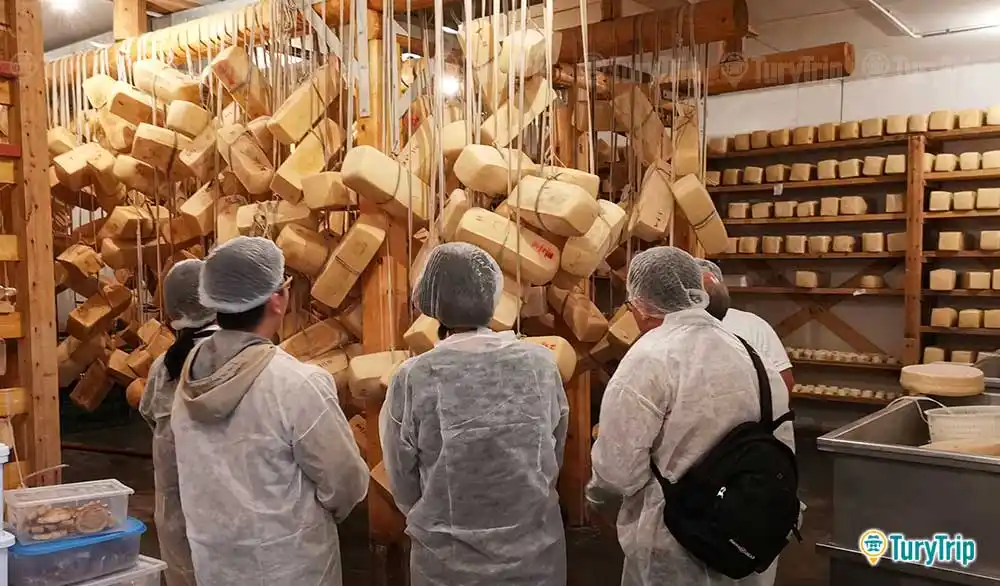
One of the unmissable experiences in the province of Ragusa is a cheese factory tour to discover the making of ricotta cheese, provolone and PDO caciocavallo cheese from Ragusa and finally get to taste other local culinary products. During the tour, you will get to witness some production stages, visit the maturing room and taste several kinds of cheese, stuffed flatbread from Ragusa called scacce, cured cold pork meats of own production and local wine.
For more details on prices and availability, click the button below.
CHEESE FACTORY EXPERIENCE & TASTING
2. Wine tour to discover an ancient winery and taste the best South Eastern Sicily wines
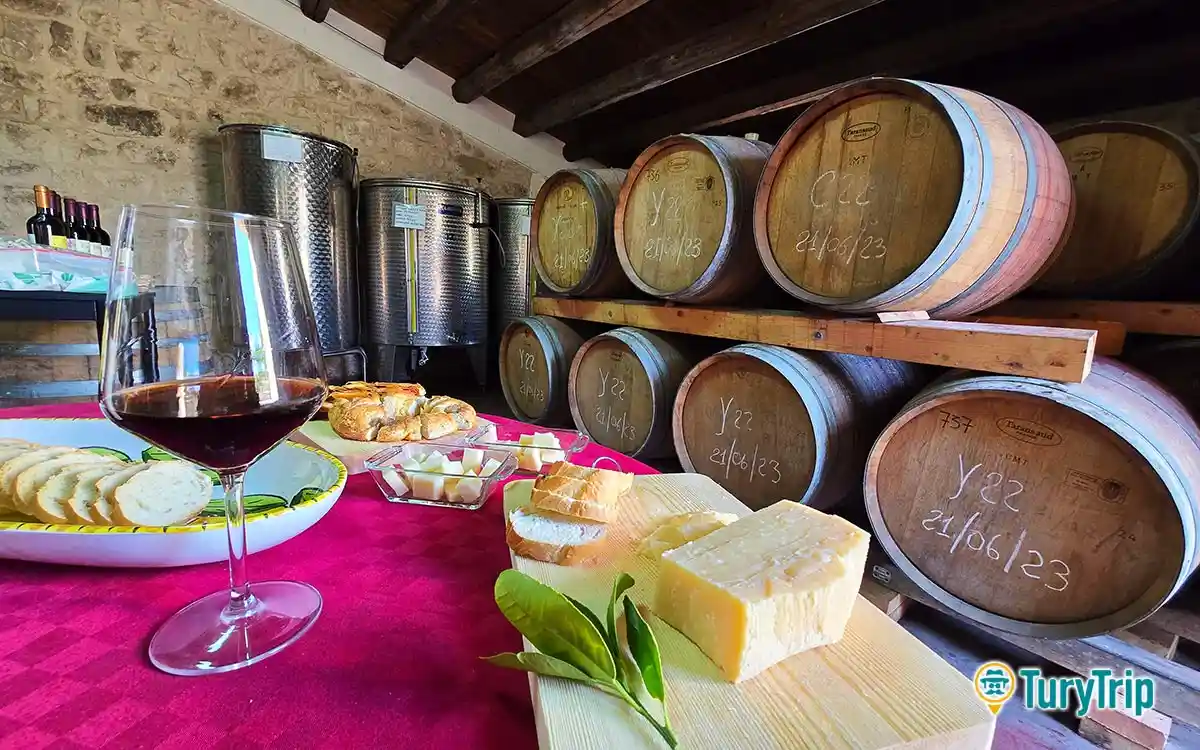
What would you say if we told you to go for a walk with us, strolling through the rows of a vineyard, and visit an old wine cellar, as you taste a good glass of Cerasuolo wine from Vittoria? This experience will give you the chance to visit a historic wine cellar in the Ragusa area that has been producing different kinds of wine since the late eighteenth century, thanks to the passionate cultivation of 80 hectares of vineyards with organic certification! After the stroll through the vineyard, you will get to taste an aperitif based on strictly organic 0-km typical products inside the old wine cellar, a unique and evocative place that keeps the secrets of good Sicilian wine. You will get to taste different kinds of wine produced through autochthonous vines such as: CDGO Cerasuolo wine from Vittoria, CDO Frappato wine from Vittoria, CDO Sicilian Nero d’Avola wine in addition to different kinds of fresh flowery-flavoured white wine.
For more details on prices and availability, click the button below
3. Cooking class about local cuisine in Ragusa: cook and enjoy typical traditional dishes
To those who love enogastronomy and local products and people who are willing to get their hands dirty in the kitchen, the province of Ragusa can offer different cooking-class package deals based on Ragusa’s local cuisine in unique locations. They are not just cooking classes, but rather cultural and sensorial experiences that will reveal you the secrets of Ragusa’s local cuisine and Sicilian families’ customs passed down over the course of centuries. The cooking classes will take place in country houses, commercial farms and holiday farms in the countryside of Ragusa among Hyblaean hills. There you will get to learn how to make and cook fresh hand-made pasta dishes and delicious traditional desserts by using preparation techniques, typical of Sicilian grandmothers, making use only of local 0-km ingredients.
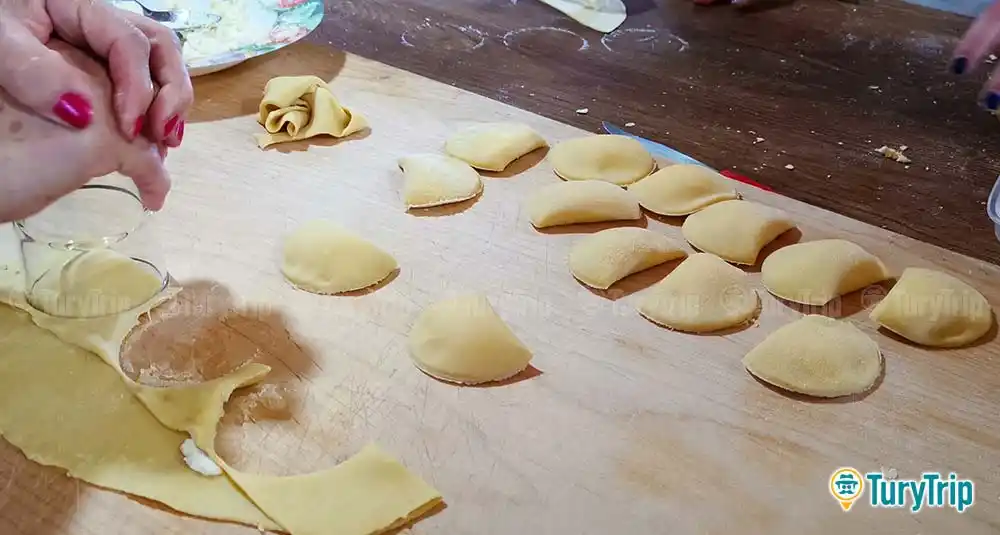
The Sicilian-cuisine cooking classes include lunch or dinner, so that you may taste everything you have cooked as you sip good local wine. Do not miss the opportunity to take home a piece of Sicilian culinary tradition!
You can choose from several breathtaking settings throughout the Ragusa province:
- On a farm in the countryside near Ragusa;
- In a country house close to Modica;
- In the heart of Scicli’s historic center;
- In the Scicli countryside, in a local family's country home.
Would you like to get your hands dirty in the kitchen and turn the stove on? For more details on prices and availability, click the button below
COOKING CLASS COUTRYSIDE OF RAGUSA
4. Let’s discover Modica’s PGI chocolate: workshop tour and tasting experience
Would you like to have a genuine, super sweet experience? Follow us on a journey through baroque palaces and churches in Modica’s historic city centre, right into a local chocolate workshop to discover the secrets of Modica’s famous PGI chocolate bars that boast unique features, which make them stand out from ordinary chocolate. Their origins are rooted in the history of Modica County, where production techniques date back to the Spanish domination time. This kind of chocolate keeps faith to the artisanal processing that makes it stand out due to its grainy texture and the absence of cocoa butter as well as other added fats. In fact, its production is limited to the use of top-quality ingredients, such as fine Trinitarian cocoa and cane sugar that serves as a sweetener. Moreover, the differences in comparison to ordinary chocolate are due to low-temperature processing that keeps the aromatic notes and organoleptic qualities of cocoa intact.
Protected Geographical Indication (PGI) for Modica’s chocolate was established on 14 July 2009, thus confirming its uniqueness and the respect of old local traditions, which guarantee that every single PGI chocolate bar from Modica is the authentic expression of the rich history and culture of south-eastern Sicily. During the tour, you will discover the tools and raw materials in use and witness the making of a real chocolate bar as you taste this famous chocolate in many different aromatic variants.
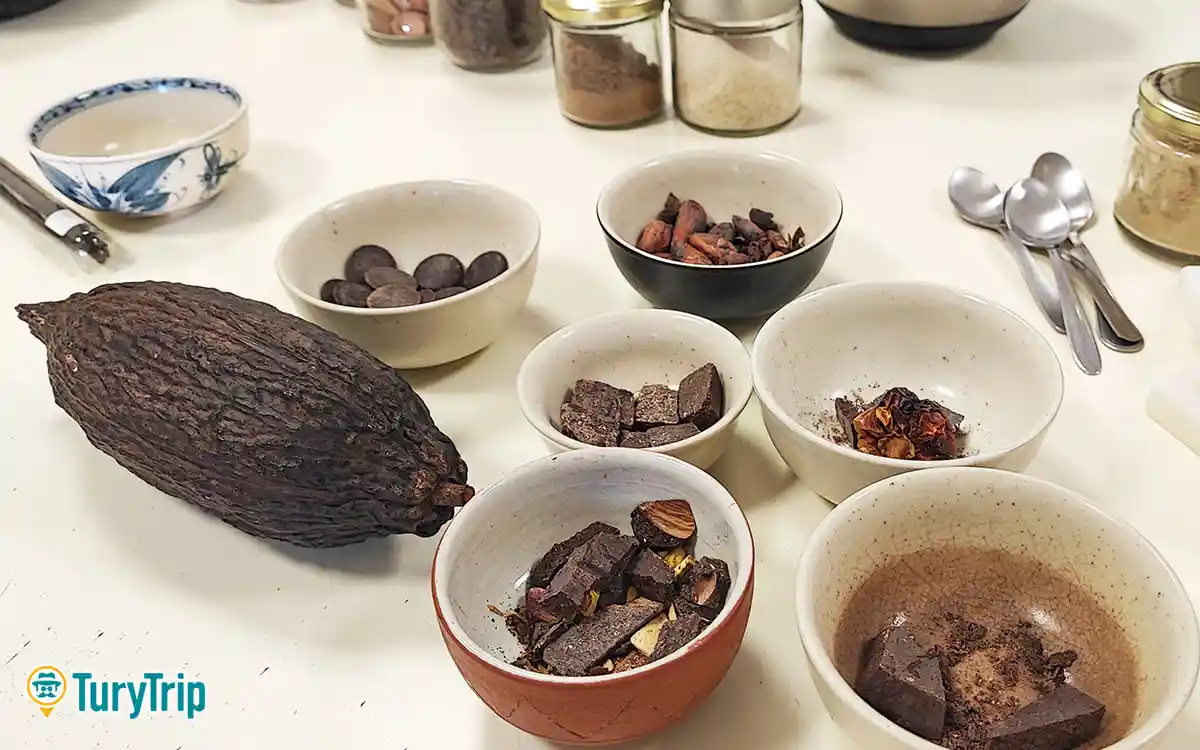
Looking for an unforgettable experience in a chocolate workshop? Click the button below to find out more.
5. Visit to an oil mill and PDO oil tasting
The province of ragusa boasts an oil tradition steeped in centuries of history. Professional olive growers in the area devotedly take care of secular olive fields that testify to a history made by commitment and dedication that, to this day, still offers one of the most renowned products par excellence in the province of Ragusa: PDO Hyblaean Mountains’ oil.
In Chiaramonte Gulfi, olive trees are unique and very peculiar, for their branches are intertwined with each other and it was certainly not man who intertwined them, but Mother Nature that created them in such fashion!
If you happen to be in the province of Ragusa, the sight of an oil mill really is an experience not to miss! A professional staff will open the gates of a real oil mill establishment to you and let you picture yourself performing the art of olive oil pressing, providing you with detailed explanations about the machinery and olive-harvesting process to produce PDO oil. During the tasting phase, you will get the chance to savour freshly-pressed olive oil, either plain or flavoured, accompanied by typical local culinary products... and, if the weather allows it, you will also have the opportunity to go for a walk around secular olive trees! Walking among the colours and exquisite scent of the Ragusa countryside, olive trees and the typical small walls of the Ragusa area really is unique experience not to miss!
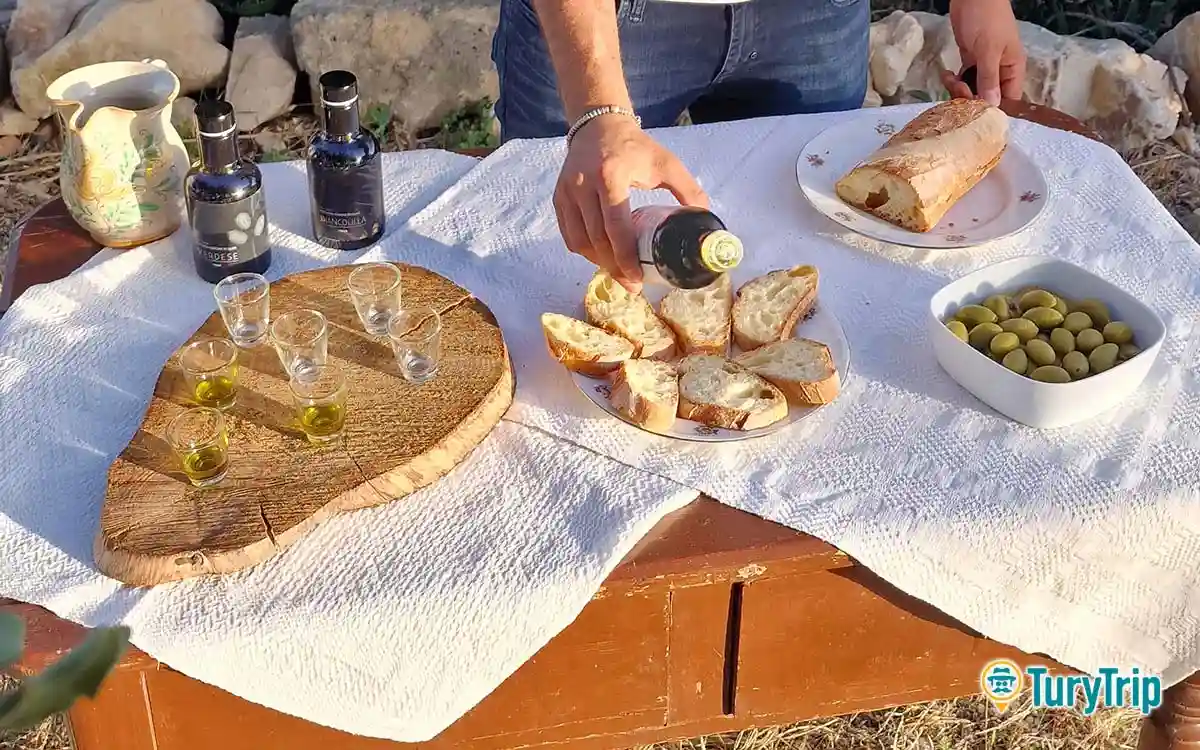
Are you looking for authentic flavours and food expriences?Click the button below to find out more
OLIVE OIL EXPERIENCE & TASTING
6. The Quarry of Ispica: going trekking between prehistory and nature
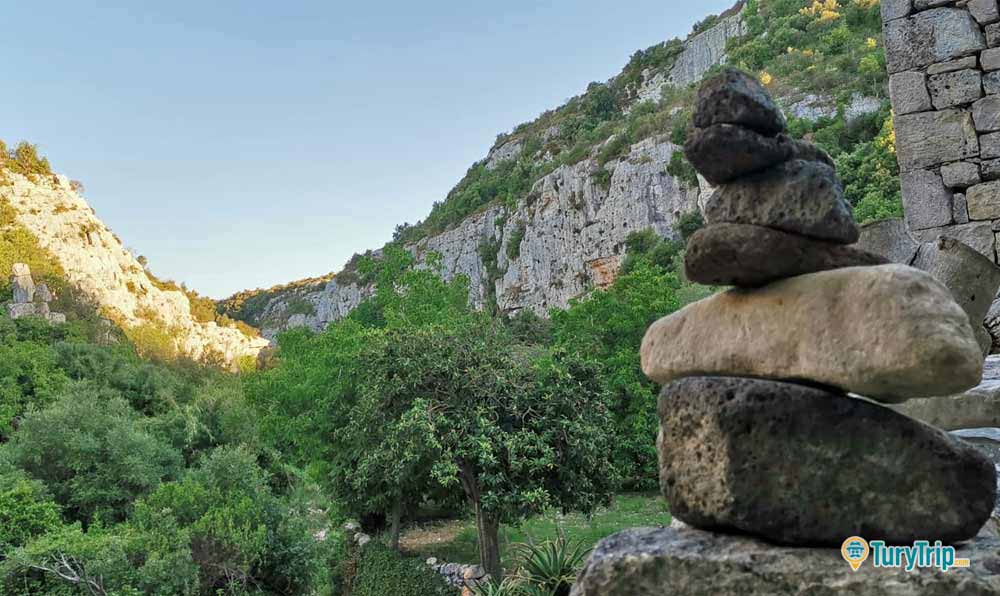
The Quarry of Ispica is one of the most famous attractions in the province of Ragusa. It is a place full of enchantment that keeps historical and natural treasures of inestimable beauty, among wild flora and fauna, ancient cliff dwellings and tombs, carved into the rock, an evocative thirteen-kilometre long river valley, characterised by deep canyons and hidden caves, immersed in the characteristic scrub and Mediterranean vegetation.
Going on a trekking guided tour at the Quarry of Ispica is an extraordinary experience, not only for pristine nature lovers, but also for those who love prehistory and history. You will discover prehistoric necropolises, Christian catacombs, cliff dwellings and various settlements that succeeded each other non-stop since the Bronze Age onwards. The Quarry of Ispica gives you the chance to take many different kinds of trekking paths, making it possible to personalise your experience in terms of duration and difficulty level. Even if you are not a serial walker, you can still have this experience and ask our staff to take a guided tour according to your needs and the time at your disposal.
Upon request, it is possible to organise a guided excursion with a final food-tasting break in a lodge to get to savour typical culinary products from Ragusa.
Take the first step toward an incredible experience in the wild nature of the Ragusa province by clicking the button below
7. Boat tour along the coast of Marina Di Ragusa and Punta Secca
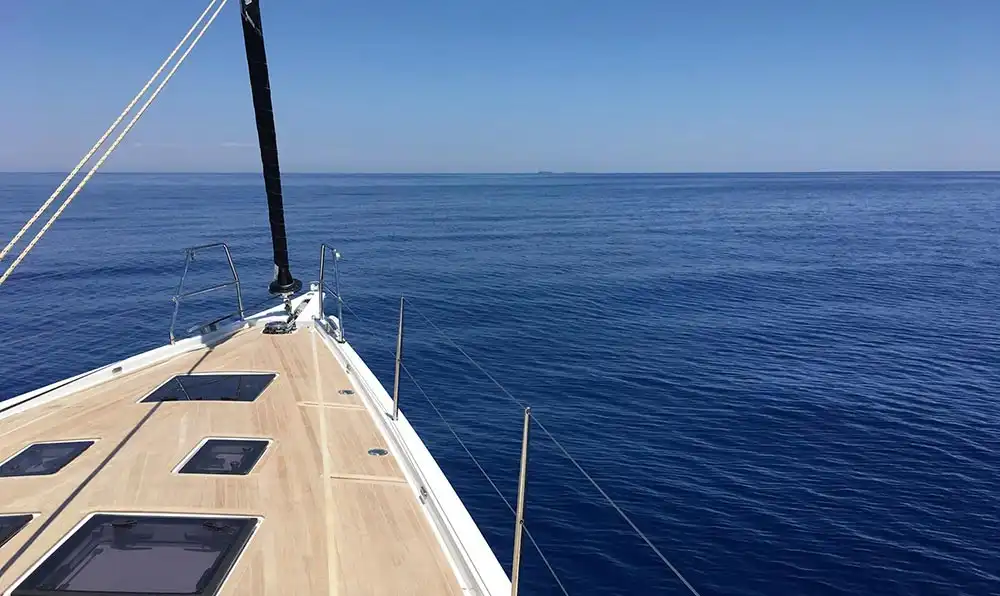
For sea and sun lovers, here is an exciting tour along the coast of Ragusa: an unmissable experience! Get aboard the boat and we will sail from Marina Di Ragusa port as far as Punta Braccetto, passing by the famous Montalbano’s House on Punta Secca Beach. The itinerary involves several bathing breaks in crystal-clear waters, to relax in the sun and enjoy an aperitif aboard.
You will get to admire the beauty of the Ragusa coast, with its golden beaches and cliffs overlooking the sea. This experience will offer you moments of pure relaxation, and make you fall in love even more with the enchanting Sicilian Sea. Do you prefer a sailboat, a motorboat or an enjoyable dinghy? Check the details by clicking below and get on board! In Sicily, summer never ends!
8. Horseback riding excursion between pristine nature and beaches of golden sand
Are you tired of the usual excursions? Would you like to change perspective? Here is a horseback excursion in the nature of the Ragusa Province just for you. You will get to discover new places, as you admire breathtaking views, go through the woods and enjoy the scent of Mediterranean vegetation from the countryside, characterised by small dry-stone walls, to the golden Sampieri beaches. On horseback along the Ragusa coast, you will be surrounded by pristine golden beaches, and crystal-clear seawaters, into which you can take a refreshing break to recharge in the Sicilian sun. Our qualified tourist guides will lead you along the way to let you discover local flora and fauna. With your own eyes, you will get to see many different species of plants and animals that inhabit the territory. During the horseback riding excursion, do not worry about anything, just relax and grasp the details of a wonderful landscape. In fact, our tourist guides will take care of everything you need for your safety and comfort. This experience is suitable for everyone, even for those who have never ridden a horse before! It’s never too late to hop in the saddle!
9. Pottery workshop experience in Ragusa
Are you ready to immerse yourself in the fascinating world of Sicilian pottery through a unique experience within a real artisan workshop? Let the artist, master ceramist guide you, he is ready to share centuries of knowledge with you. During our interactive workshop, you will get the chance to mould clay with your own hands, accompanied by the master ceramist throughout the creative process, from moulding to decorating, thus turning your creativity into a real masterpiece of Sicilian ceramics. During the experience, our staff will provide you with historical explanations and anecdotes, so that you may immerse yourself in the local culture and art, as you create your own unique ceramic object. Not only will this experience let you take home a unique piece of artisanship, but it will also let you connect with the true soul of Ragusa and its history in a remarkable way!
What to see and visit in Ragusa and its surroundings
Sightseeing in Ragusa Ibla: churches, places and monuments not to miss
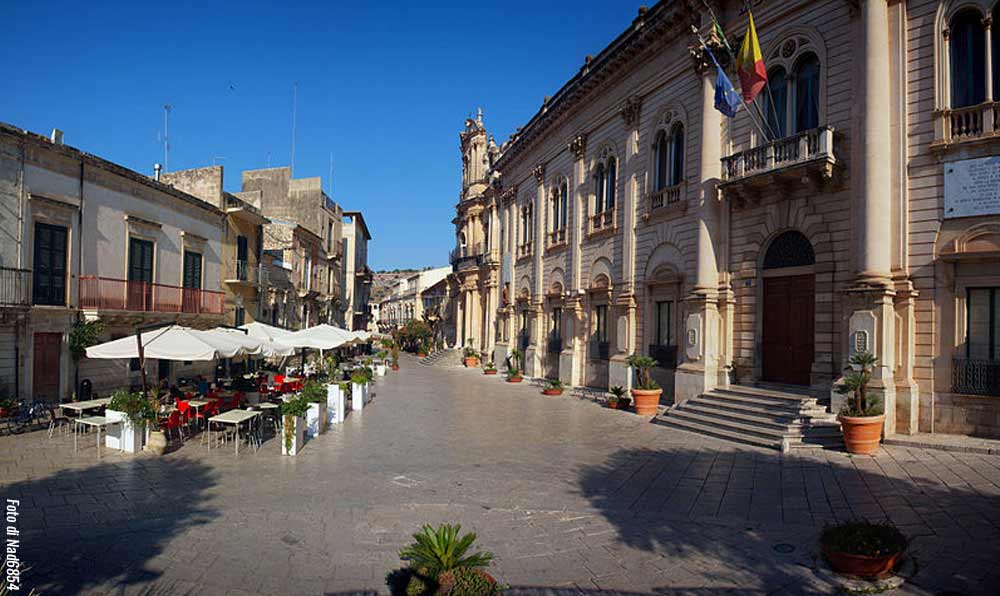
Dear friends, our first stop could only take place in Ragusa, the most southern chief city in Italy, divided into Ragusa Ibla and the upper part of Ragusa, characterised by the enchantment of a city, full of history, which oozes with baroque style and so much beauty in every corner. Visiting it is unavoidable for people who chose the southeast side of Sicily as their destination for their holiday, since it has become even more famous thanks to “The Inspector Montalbano” TV series.
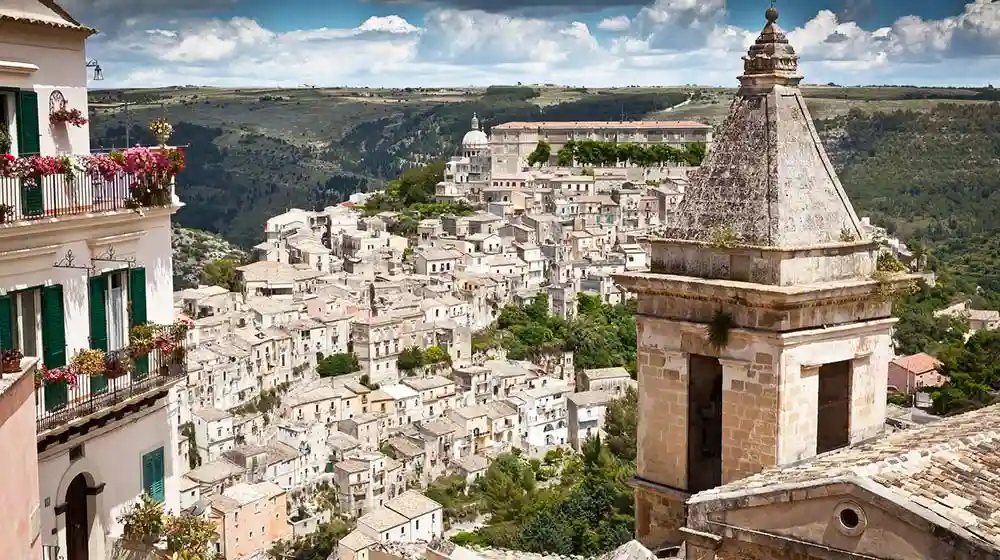
What can you visit in Ragusa Ibla? Here is a list of the most renowned worth-visiting places and monuments, by which you will be amazed, trust us:
- St George’s Portal, the unquestioned symbol of Ragusa City, the last masterpiece of architecture, that survived the 1693 earthquake, which originally was part of the old Catalan-Gothic St. George’s Cathedral, built in the beginning of 1349. Worth admiring, from its central part, is the famous "lunette" that hosts a representation of St George, on horseback, piercing a dragon to free princess Berito. Laterally, we can see two Aragon eagles, symbol of the Royal Family who ruled over the island. The bas-reliefs and high reliefs that ooze with ancient history make this monument unmissable
- St. John’s Cathedral, located in the upper part of Ragusa, is one of the largest churches in Sicily. Baroque style rules and you will be able to admire it in the amazing, majestic facade made out of carvings and sculptures. On the inside are fourteen impressive columns made out of local pitchstone and the remarkable floor, which alternates stone and white limestone inlays.
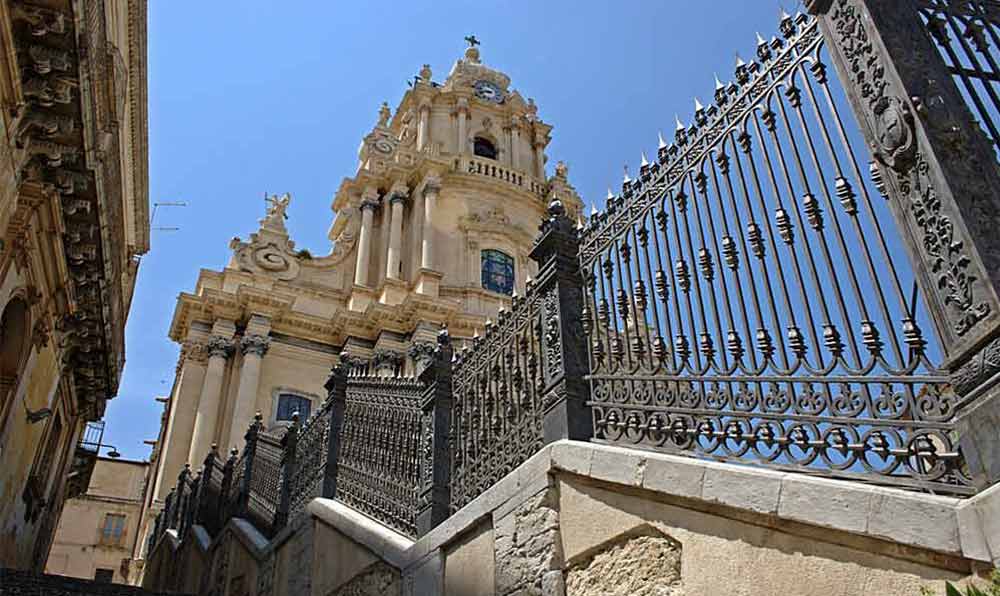
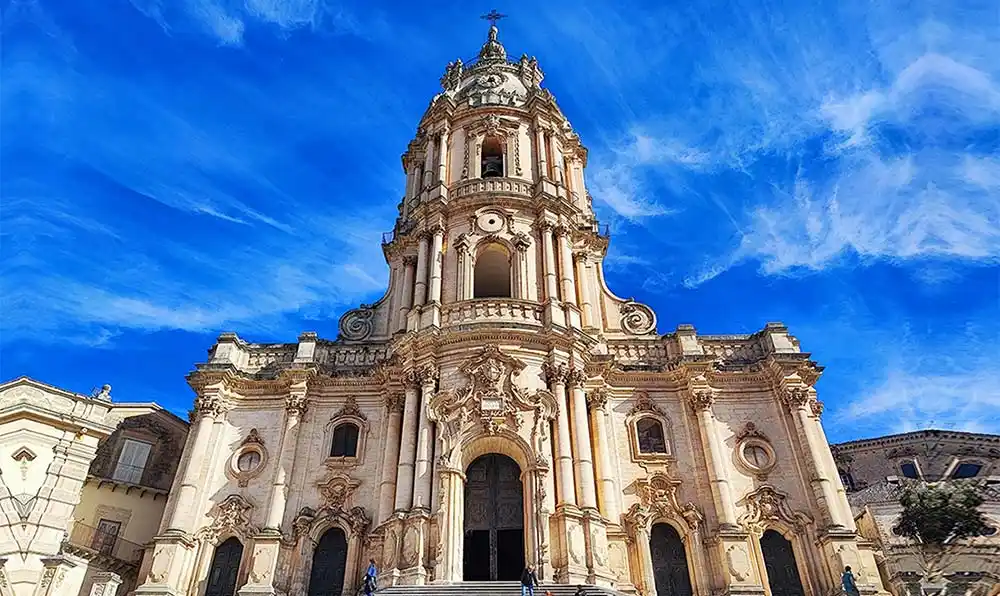
- St. George’s Cathedral, which stands on the homonymous square of Ragusa Ibla, is the emblem of Sicilian baroque style. Its beauty is unique because of the majestic staircase with its high iron balustrade and wonderful dome in neoclassical style.
- The Church of St. Mary of Itria and its wonderful, unique, light blue majolica dome.
- The Church of Santa Maria delle Scale, located between Ragusa Ibla and the upper part of Ragusa, which apparently was built in the early fourteenth century, is one of the few buildings that were not completely destroyed by the 1693 earthquake and so, it has kept its gothic style, which was used in Ragusa before the earthquake. It has a beautiful baptismal font carved from a single stone block.
- The Hyblaean garden is the largest one in the city. It is located in Ragusa Ibla, upon a rock, which directly looks out onto the Irminio valley. To enter it, follow a lovely path flanked by century-old palm trees on its left and right. Among a great variety of colours, plants, flowers and different kinds of pleasant scent, in this nice park, you will breathe clean air. In the centre of the park, you will be able to see a monument in honour of those fallen in the Great War and admire the Church of St. Vincent Ferreri, St. James’s Church and the Capuchin Church.
Besides its many churches, Ragusa is also rich in elegant noble palaces, which bear witness to the beauty that characterises the Hyblaean Baroque style. Here are some of the most renowned historic palaces in Ragusa:
- Arezzo Trafiletti Palace, which is one of the most important and renowned palaces, is located in April 25th Avenue, at the crossroads with Piazza Duomo. From the balcony of the ballroom, you will be able to admire one of the most amazing views of St. George’s Cathedral. The Arezzo Family got the ownership of the palace in the second half of the nineteenth century and their descendants still live there to this day. Arezzo Trifiletti Palace is in neoclassical style. After the earthquake, which devastated the city in 1693, over the course of decades, the residence was rebuilt, restored and improved. By the mid-nineteenth century, it was completed, thus permanently assuming the appearance that it still keeps to this day. It is one of the few palaces open to the public and tourists for a fee. Visiting the residence, its sitting rooms and the view from its balconies will not disappoint you.
- Arezzo Spuches Palace at Donnafugata, situated in April 25th Avenue, is one of the palaces owned by one of the most influencial families from Ragusa, namely the Arezzo Spuches Family living at Donnafugata, the same owners of the famous Donnafugata Castle. The structure of the palace is simple and linear, although its magnificence catches the eye. It hosts decorative ornaments and details of great value that you can admire at certain times, special events and exhibitions within the palace. The palace is rarely open to the public and tourists through a combined subscription ticket that also serves to see other interesting monuments.
- Zacco Palace, built by Baron Melfi, is the finest palace, the emblem of the most unbridled rococo style with its capitals, inlays, wrought iron balconies and grotesque mascarons. Today, the palace is home to the Museum of Ragusa’s Traditions, better known as Museum of Peasant Time. Visiting hours are from 9:00 a.m. to 1:00 p.m. and the entrance ticket costs 2 euro (we encourage you to check any updates on the official website).
- Schininà Palace of St. Elijah, built by Baron Mario Leggio Schininà, is the largest palace in Ragusa, in fact, it extends an entire block and, of the extremely long facade, only the ground floor, on which two front doors are located, has been completed. What catches the eye is the main door, embellished with garlands and classic rococo-style capitals.
- Sortino Trono Palace was built on part of the walls of an ancient castle. Its remarkable facade stands out on the entire famous Piazza Degli Archi.
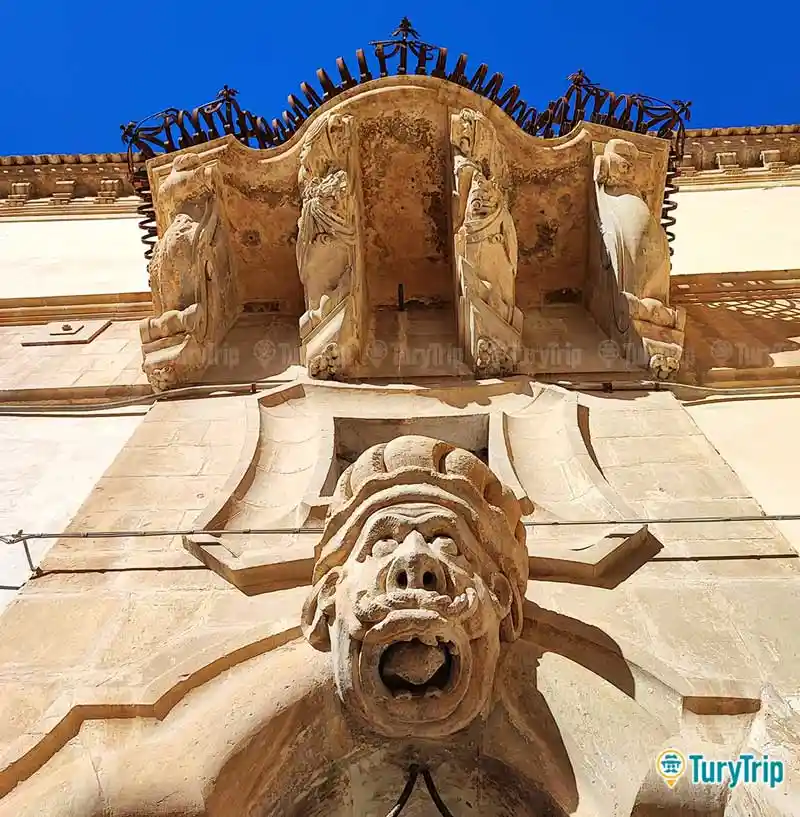
- At Bertini Palace, you can admire its characteristic “mascarons” depicting three characters of baroque culture: the beggar, the nobleman and the merchant. The first is covered with rags and shows his deformed face, in fact, you can see his big nose and toothless mouth, the noblemen has a proud look and wears an elegant plumed hat, from which his curly hair comes out. The merchant shows his chubby face and wears a big turban as well as an earring with a big pearl.
- The conversational club also known as “The Cavaliers’ Cafe”, built in 1850, is one of the few recreational facilities that are still intact to this day. In this palace, you can admire the city coat of arms on the cornice flanked by two lions surrounded by a garland of flowers. Since it is a private club, it is not open to the public. However, its members are kind enough to allow tourists to tour it more often than not. On some occasions, tourists are allowed to visit the inside of the palace thanks to a combined subscription ticket that also serves to see other interesting monuments in Ragusa Ibla.
Ragusa is also called the three-bridged city, because originally, three bridges divided the areas of the city: the old one, the new one and the brand new one. Therefore, as you stroll up and down between Ragusa Ibla and the upper part of Ragusa, you will be able to admire:
- The Old Bridge, also known as The Capuchin Bridge;
- The New Bridge, also called Littorio Bridge;
- Pope John XXIII Bridge or Brand New Bridge;
Obviously, the beauty of Ragusa does not end here. We could continue with our description, but we feel we have gone on for considerable length. Be very curious, wear comfortable shoes and a hat, and as you walk along Ragusa Ibla, you will discover many other palaces and baroque glimpses that will amaze you!
For those who wish to rely on a qualified and experienced tour guide in order to discover all the secrets and wonders of the Hyblaean chief town, click below.
Other famous towns and must-see places in the Ragusa province
Here is your guide to the most famous and important sites and historic towns in the province of Ragusa. Many of these stunning locations were also featured as the backdrop for the popular TV series, 'Inspector Montalbano'.Who does not know the famous line “Montalbano sono!” (I’m Montalbano!)? If you happen to be on holiday in the province of Ragusa, you surely cannot miss a tour to find out more about the locations that served as a setting for the popular “Inspector Montalbano” TV series. The places we will mention below, some of which are UNESCO World Heritage sites, are full of history and amazing beauty: historic centres full of churches and baroque palaces, golden beaches, crystal-clear seawaters and hilly landscapes with breathtaking views! Are you ready? Let’s go!
Modica
Extremely beautiful and important, both historically and strategically, Modica, among other cities is also part of the UNESCO World Heritage, since it is rich with monuments and places of interest, such as St. George’s Cathedral (the emblem of Sicilian Baroque style), St. Peter’s Cathedral and St. Mary of Jesus’ Church. In Modica, the Castle of Counts is of great interest. Built on top of a rocky promontory, for many centuries, it represented the seat of political and administrative power throughout the county of Modica. Adjacent to the castle is a clock tower, still fully functional, whose mechanisms are checked and restarted every 24 hours.
We strongly advise you to walk along the old alleys of Modica, where you will admire fascinating views and discover many small churches hidden amongst houses, that is why Modica is also known as “the city of a hundred churches”.
In Modica, among a great variety of local products, such as cheese, flat buns, ravioli and so forth, do not forget to taste the famous Modica’s PGI chocolate, a unique and unrepeatable product passed on to us by the Spanish domination as a legacy.
For those who wish to rely on a qualified and experienced tour guide to discover Modica’s extraordinary history, we have arranged a guided tour of the historic center of Modica.
Scicli
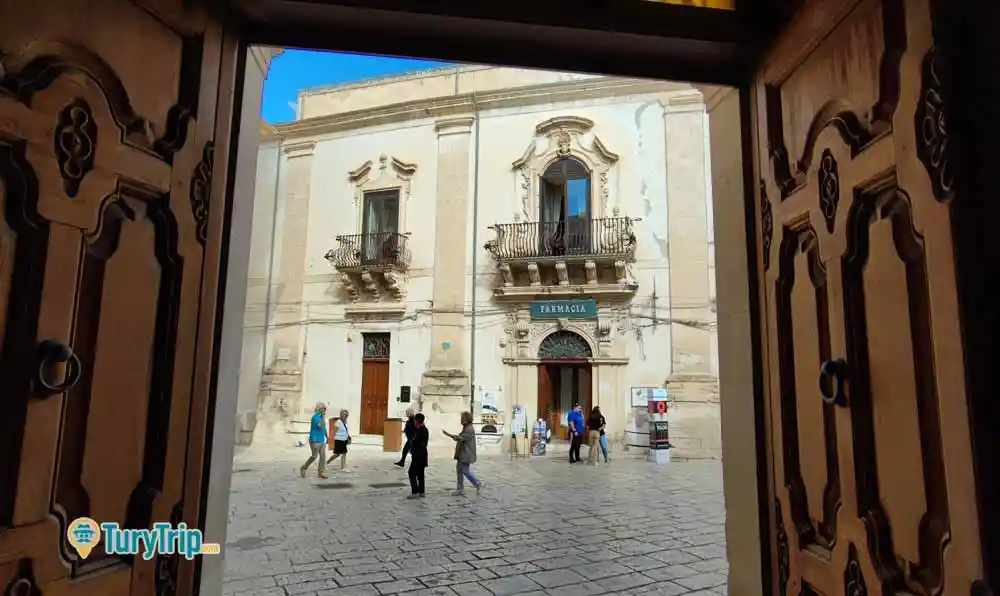
Scicli is a lovely baroque town, which has been declared a UNESCO World Heritage Site along with other late-Baroque cities of Val Di Noto in southeastern Sicily. Inspector Montalbano’s fans should not miss the opportunity to get to Via Mormino Penna, the famous, historic City Hall area, where you can visit Inspector Montalbano’s office and the old pharmacy. Other monuments worth a visit include:
- Beneventano Palace (visitable only from the outside), a classic example of Sicilian Baroque style;
- Spadaro Palace, a typical noble residence dating back to the 1800s, currently managed to by the municipal district of the town and visitable on payment of a special ticket;
- The Main Church of St. Ignatius and St. James;
- The Church of Santa Maria La Nova, the oldest church in town;
- St. Mathew’s Church with its panoramic view of the town;
- The Church of St. John the Evangelist;
- The Capuchin Convent.
Are you looking for a tour guide in order to discover all the secrets and wonders of Scili? Take a look to our guided tour of Scicli.
Donnafugata Castle
Donnafugata Castle is a splendid noble mansion surrounded by a wonderful green park. There is an astonishing terrace from which you can admire the amazing view that surrounds it. Nestled in the picturesque Sicilian countryside, Donnafugata Castle was built in the fourteenth century and later enlarged, over the course of centuries; the castle is a fascinating mixture of different architectural styles, among which we can mention the Renaissance style, the Baroque style and the Neo-Gothic style. During the tour of the castle, you will explore its numerous rooms decorated with frescos, antique furnishings and precious tapestries.
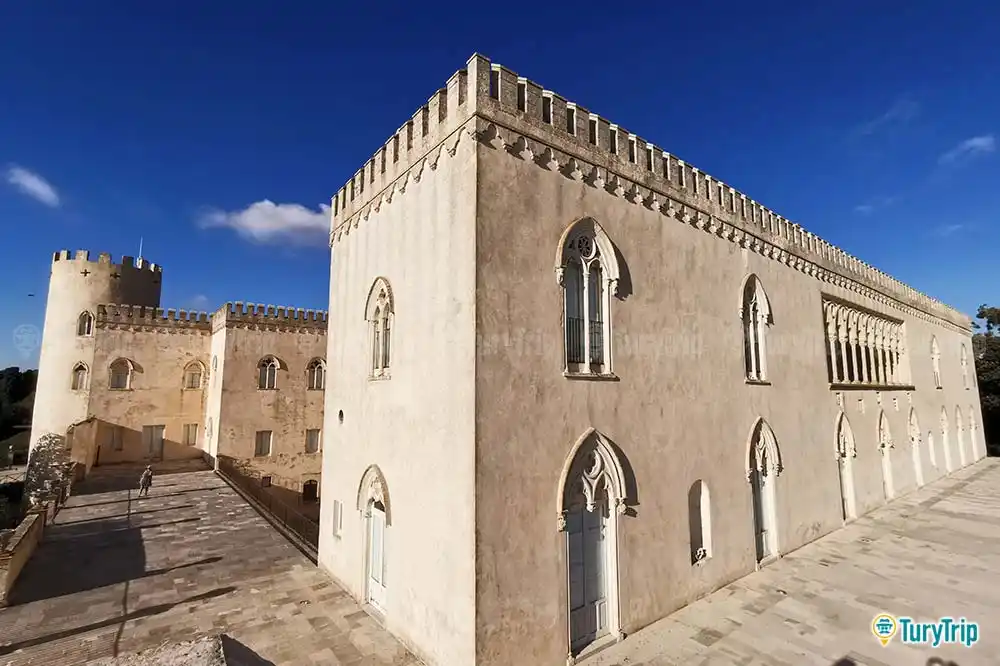
On the inside, you will be able to admire the Costume Museum, which hosts original vintage clothing and accessories from the eighteenth to the twentieth century. Also outside, the castle holds extraordinary treasures to discover. As you walk along its well-maintained gardens, you will admire fountains, water plays, ancient exotic plants and the famous stone labyrinth, commissioned by the Baron, so that he and his courtesans could enjoy moments of delight.
Before visiting Donnafugata Castle, we encourage you to check any updates on the official website to learn more about all you need to know, from ticket prices to opening hours.
Where is Donnafugata Castle? It is fifteen kilometres away from Ragusa. Here is its position on Google Maps.
Punta Secca
Punta Secca is a seaside hamlet of Santa Croce Camerina, its beach hosts Inspector Montalbano’s house with its amazing sea view. It is a small seaside village, almost uninhabited in winter and full of tourists in the summer, that has all it takes to live truly pleasurable moments of relaxation: sea, sun, golden beaches and restaurants where you can enjoy freshly caught fish.
Would you like to know how to get to Punta Secca beach, where it is located, how to reach it, where you can park and other information in order to visit it? Here is a list of information about Inspector Montalbano’s house in Punta Secca.
Sampieri and the "Penna Furnace"
Sampieri is a lovely village (a hamlet in the municipal district of Scicli) that overlooks the sea. It is famous for its large golden beach, which extends as far as the quarter of Pisciotto, where we find the Penna Furnace, a former brick factory that represents an industrial archaeology monument of great interest. It was built in 1909, however, after the fire that destroyed it in 1924, there was nothing left of the factory but only one part of its walls, even though the fascination that surrounds it is still undeniable! Some scenes from the famous Inspector Montalbano TV series were shot there in an amazing location overlooking the Ragusa Sea.
Where is the Penna Furnace in Sampieri? How can you get there by car? Look at its position on Google Maps.
Comiso
Comiso is a small town situated in the west side of the Ragusa province, also known for the processing of hard stone (the stone of Comiso). There are two main squares in town: Fonte Diana Square, in the town centre, from which rises the homonymous fountain; Herbs Square where the magnificent Main Church is located, called St. Mary of The Stars. Some scenes from the famous Inspector Montalbano TV series were shot right there, in Comiso, in Fonte Diana Square opposite the Main Church.
The Church of St. Francis or Church of the Immaculate, and the Church of the Annunciation are of great architectural importance and beauty. The latter is characterised by a stone staircase laid in an oblique position in comparison with the entire facade.
For the most curious “Inspector Montalbano”’s Sicilian fans, here is an article attempting to shed some light on the actual places described by Cammilleri: “Inspector Montalbano’s actual setting places ".
Ispica
It is a lovely town in the Far East side of the Ragusa province, home to a community of about sixteen thousand inhabitants, located close to the border of the Syracuse province.
Ispica’s historic architecture is a mixture of Baroque and Liberty Style. The most famous and iconic place to visit is surely the characteristic Major Basilica of St. Mary, a beautiful example of eighteen-century style, surrounded by the “Sinatra Arcade” a porch, with no less than twenty-three passageways, that circumscribes the entire square .
What is there to see and visit in Ispica? Here is a list of places and churches to visit in Ispica:
- Bruno Di Belmonte Palace
- Bruno Palace
- Church of St. Bartholomew the Apostle
- Church of Our Holy Lady of Annunciation
- Quarry of Ispica and Force Park (see next paragraph dedicated to the excursion).
Sea stacks and sea caves: Punta Ciriga is so much more than just a beach
The province of Ragusa hosts many wonderful beaches but only one of them will amaze you: Punta Ciriga. It is a real sea paradise, which enchants all visitors with its pristine beauty, characterised by golden sand and crystal-clear water. Punta Ciriga is not just a stretch of sand on the Mediterranean Sea, but also an amazing stretch of coast that alternates long beaches with stretches of rocky coastline, among sea caves accessible to swimmers and amazing sea stacks that rise from the water.
Yes, that’s right: huge, massive sea stacks just a few metres away from the sea! You will get to bathe amongst amazing rocky formations that have been shaped by the wind and sea over the course of centuries. At Punta Ciriga, not only do the sea stacks and sea caves symbolise the power of nature, but they also constitute the natural habitat for many varieties of seabirds, fish and marine flora, contributing to creating a unique ecosystem.
In the Punta Ciriga area, beach access is free but since it is a pristine, natural place, do not expect any tourist services. If you would like to have a nice day in this wonderful place, get organised and take everything you need with you so that you may enjoy a wonderful sight, since there are no equipped beaches, beach bars, bathing and toilet facilities. If you would like to get to the beach that hosts the sea stacks and admire the sea caves, you will have to park your car on the main Pozzallo-Pachino state road and then, proceed on foot (east or west according to where you park) through footpaths that are not always smooth for families with babies or very young children.
How do you get to Punta Ciriga? Here are useful Google Maps positions to get there by car:
- road leading to Punta Ciriga – Access from the west side
- beach to go through on foot in order to reach Punta Ciriga from the east
The Archaeological Park of Kamarina and other archaeological sites in the province of Ragusa
Dear friends, Sicily is a real archaeology mine! The remains of ancient colonisations and their settlements are still visible from so many areas of the Island and their quantity is so remarkable that many archaeological sites are yet to be unearthed.
Even the province of Ragusa is full of archaeological sites, there are tens and tens of them spread among the Hyblaean hills and the countryside. For archaeology lovers who feel like moving and walking, there really is so much to see, although many archaeological sites cannot be accessed and some of them are only open on special occasions (other archaeological sites are visitable with prior permission to be requested well in advance to the Superintendency of Cultural Heritage).
Here is a list of parks and archaeological sites in the Ragusa area:
- The Archaeological Park of the Quarry of Ispica, also called Force Park, which, on the inside, hosts necropolises, catacombs, cave oratories, hermitages and various housing units. The monuments to see are many: the gymnasium, the lard emporium, the spicery, the fallen grottos, the Cave Church of St. Mary and the cemetery as well as the Cave of Saints, the Sicilian Castle, the Calicantone Necropolises, the Catacombs of St. Mark, the convent, The Fortilitium and so much more! It is a place full of enchantment, within a nature reserve, that is absolutely worth a visit! We recommend a guided tour of the Quarry of Ispica with an experienced tour guide!
- The Archaeological Park of Kamarina, within walking distance from Santa Croce Camerina, is an interesting archaeological site, also from a landscape point of view. The archaeological excavations have unearthed ancient precious treasures that are now jealously guarded within the Kamarina archaeological museum. It is open from Monday to Saturday, from 9:00 a.m. to 02:00 p.m. and from 03:00 p.m. to 07:00 p.m. and on public holidays, only every first Sunday of the months. The full admission ticket costs four Euro while the reduced entrance fee costs 2 Euro (we encourage you to check any updates on prices and opening hours by going to the official website).
- Archaeological Museums in Ragusa and Modica:
The Archaeological Museum in Ragusa located in the city centre, gives you the opportunity to discover the history of the Hyblaean territory, from the Neolithic to the late ancient times. It is divided into six sections: they are dedicated respectively to prehistory, the ancient Greeks, Sicilian archaic and classical dwellings, late Roman settlements, Hellenistic centres and different bequeathed collections. It is open from Monday to Saturday, from 9:00 a.m to 06.30 p.m.
The Civic Archaeological Museum in Modica is located right in the historic centre inside the Palace of Culture, close to St. Peter’s Cathedral. The archaeological section hosts paleontological remains of various Modica areas, findings from a Neolithic village nearby and materials dating back to the ancient Bronze Age that show the high population density of these areas in ancient times and the wealth of archaeological evidence about the production of prehistoric artefacts.
Here below, you will find some archaeological sites that are worth a visit, even though unfortunately, they are not open very often and available for tours (some of them are visitable with a prior permission to be requested to the Superintendency of Cultural Heritage).
- The Archaeological Park of Caucana is a set of quarters from the past, made up of no less than twenty-five buildings, a small cemetery church and tombs.
- At the Trabacche Grotto, you can admire paleontological findings that tell the story of ancient communities’ daily lives and give information about the local fauna.
- The Quarry of Servants used in the past for the quarrying of materials, shows findings that bear witness to ancient communities’ daily lives and activities. During the tour, you will be able to explore remains that provide an insight on the industrial and cultural history of the area.
- The Mirio Necropolis will give you an unmissable chance to learn about the funeral practice of ancient civilisations. The tombs and artefacts shown in the site provide detailed information on the funeral customs and beliefs of ancient communities.
- The Mezzagnone Bathing area, known for its ancient thermal baths, will let you discover the secrets of preceding human civilisations’ daily lives and social traditions, by showing you an interesting perspective on their hygiene and cultural practice.
- The prehistoric village of Baravitalla hosts the remains of an ancient settlement. Visitors can explore ruins that reveal interesting details about the architecture, artisanship and daily lives of prehistoric populations who used to live in the area.
Tour of the villages in the province of Ragusa: Chiaramonte Gulfi, Monterosso Almo, Giarratana, Acate
Dear friends, follow us to discover lovely, small villages in the province of Ragusa, small realities outside from the mass tourist tracks, which we strongly advise you to visit for they keep good old-fashioned popular traditions and the flavours of the past. We are referring to Monterosso Almo, Giarratana, Chiaramonte Gulfi and Acate. Our invitation is especially open to all those who wish to discover slow Sicily, as they enjoy original popular recipes walking along the small historic alleys of the city to admire evocative glimpses and breathtaking views. Here below, you will find some useful information to discover these five picturesque villages in the province of Ragusa.
Monterosso Almo
If you feel the need to breathe some fresh air in the Hyblaean Mountains, surely Monterosso Almo is the ideal place for you. It really is a unique, evocative, small village, home to a community of about three thousand inhabitants, located about thirty kilometres away from Ragusa.
As soon as you get to the main square, you will immerse yourself in the typical atmosphere of the Sicilian small town where life flows slowly, surrounded by buildings that ooze with history. The town is divided into two parts: the upper and the lower part, both mostly characterised by narrow alleys that in some places give way to amazing panoramic views over the valleys of the Hyblaean hills.
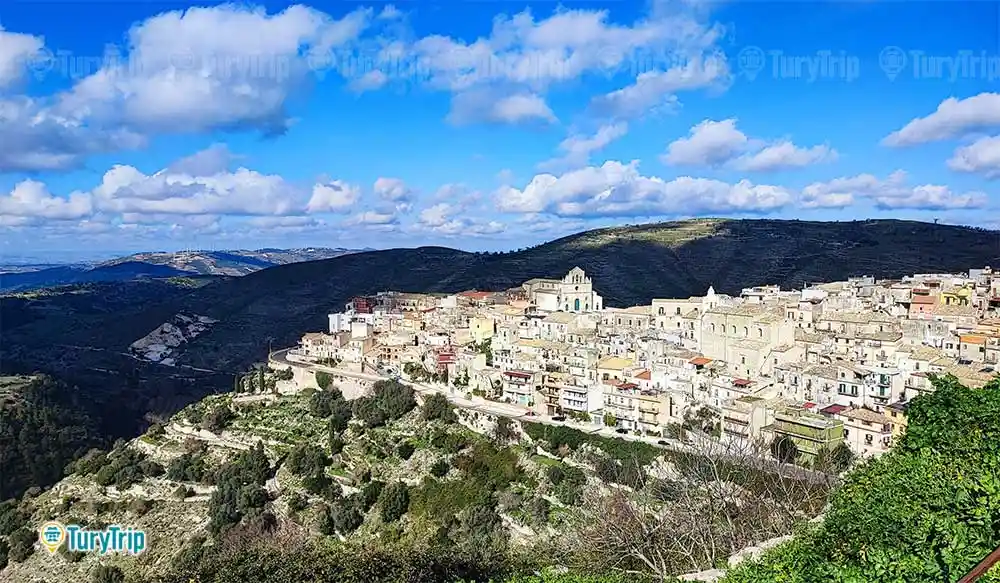
What can you visit in Monterosso Almo? Below are some churches and monuments not to be missed:
- The Church of St. John
- The Main Church of Santa Maria Assunta
- The Church of St. Anthony
- Zacco Palace
For ancient history and archaeology lovers, in the Monterosso Almo surrounding area, there is another place worth a visit: the Calaforno hypogeum. It is a place full of enchantment and mystery. Its thirty-five rooms, over the course of centuries, have not only been used as a sepulchre, and as a home, but as a refuge and shelter for Christians in Roman times. Besides the Calaforno necropolis, there are also other worth-mentioning findings such as the built-up area of Monte Casasia and the so-called “Caves of Saints”.
Giarratana
It is a village home to a community of about three thousand inhabitants, a few kilometres away from Monterosso Almo and twenty-five kilometres away from Ragusa, famous for its very sweet onion! Well, yes, the area of Giarratana produces a particular kind of top-quality onion with a unique flavour and a peculiar shape. Every year, on the 14th of August, the Onion Festival takes place and, on the occasion, through the picturesque alleys of this small inland town, you will be able to breathe the air of celebration, as you listen to music, cheerful voices, drums, looking at smiling faces. A characteristic feature is the weighing of onions, the competition amongst onion production companies that compete with each other in a spirit of healthy competition to win the biggest onion title. There are various stands in which onions are cooked in many different ways, a famous antique market and in the evening, there is singing and dancing.
What is there to see and visit in Giarratana?
Giarratana offers you no less than a real open-air museum called “U' cuozzu”. It is a historic quarter situated on top of the hill, the oldest area of the town. In this quarter, you can breathe an evocative historic atmosphere, thanks to ancient stone houses and cobblestone alleyways that attract tourists looking for details about old-fashioned lifestyle and customs of the past. In the heart of "U Cuozzu" every year, at Christmas time, a living nativity scene takes place in Giarratana, regarded as one of the most amazing living nativity scenes in Italy.
Churches to visit in Giarratana:
- Basilica of St. Anthony the Abbot in Giarratana
- Main Church
- St. Bartholomew’s Church
- Church of Our Lady of Grace
Chiaramonte Gulfi
It is an evocative village home to a community of about eight thousand souls, full of history and traditions, located approximately fifteen kilometres away from Ragusa, called “the balcony of Sicily” because of its position which allows you to enjoy breathtaking views and when days are clear, you can even glimpse Etna! Chiaramonte is famous for the production of PDO extra-virgin olive oil, but it also offers a lot to people who wish to go on a guided tour to admire buildings and discover historic monuments, picturesque spots and alleys.
What can you see and visit in Chiaramonte Gulfi? Here is a list of the major churches and museums in the town:
- Main Church of Santa Maria La Nova
- Church of St. John the Baptist
- Church and Convent of St. Mary of Jesus
- Sanctuary of Santa Maria La Vetere
- Small Church of Our Lady Of Grace
- Montesano Palace (which also hosts some museums)
Besides being known as the city of oil, it is also known as the city of museums! Yes, in Chiaramonte Gulfi, there really are a lot of museums:
- The Sacred Art Museum
- Museum of Ethnic Musical Instruments
- Museum of Sicilian Unthreading And Embroidery
- Liberty Style Museum House
- Oil Museum
Acate
Acate is a small village, home to a community of about eleven thousand inhabitants, located about thirty-five kilometres away from Ragusa with so much history behind it! Here time seems to have stopped and everything brings back to mind the history of a town once called Biscari, founded in the fourteenth century; it became famous for its castle during the Great Second World War due to the Biscari massacre carried out by the Americans.
What are the main attractions and monuments worth visiting in Acate, a lovely small town in the province of Ragusa?
- The Castle of the Princes of Biscari;
- The Main Church;
- St. Vincent Church;
- The former capuchin convent with its majestic cloister.
A journey through ancient mysteries and Sicilian traditions in the province of Ragusa
The Hyblaean Museum of Popular Arts and Traditions in Modica S.A. Guastella
Would you like to embark on a journey through historical traditions and customs of Sicilian people to discover old-fashioned trades and the setting of old-fashioned popular life? The Hyblaean Ethnographic Museum in Modica is ideal for you. On the first floor of the building, the museum is divided into different rooms, each with realistic representations of daily living environments and old-fashioned trades as well as original objects and tools used in the past by housewives and local artisans. It is a journey through the history and culture of people from Ragusa, to discover homemade tricks and typical artisan craft productions of the old days. Inside the museum, you will also find an exhibit showing original, historic Sicilian carts.
Where is the Hyblaean Museum of Popular Arts and Traditions? The museum is located at Via Mercé in Modica, on the first floor of the Mercedarian Palace, a historic building dating back to the eighteen century, the former convent of Mercedarian Fathers.
Sicilian cart workshop in Ragusa Ibla
With regard to Sicilian carts, if you would like to discover the secrets of old, local carters, there is a place you cannot miss: the Cinabro Art Workshop in Ragusa Ibla. There you will be able to admire real Sicilian carts, carving and painting masterpieces. It is a magic place, where you can discover all about the art of decorating these historic masterpieces of art and artisanship, the emblem of Sicilian tradition. For a tour, we strongly advise you to call in advance for the business is not always open to the public.
Where is the Cinabro cart workshop? It is located in Ragusa Ibla, at 22, Via Orfanotrofio.